Where to See the World’s Best Playing Card Collections
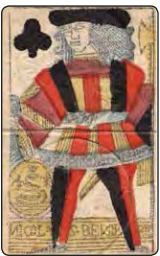
Playing cards have fascinated collectors for centuries. Across the UK and beyond, museums house remarkable sets that span hundreds of years and multiple cultures. Some highlight the artistry of individual cardmakers, others focus on regional traditions, and still others display the tools and machines used to print cards.
Whether you are in London, exploring Europe, or travelling further afield, here are some of the most notable places to see these treasures.
British Collections
The British Museum (London)
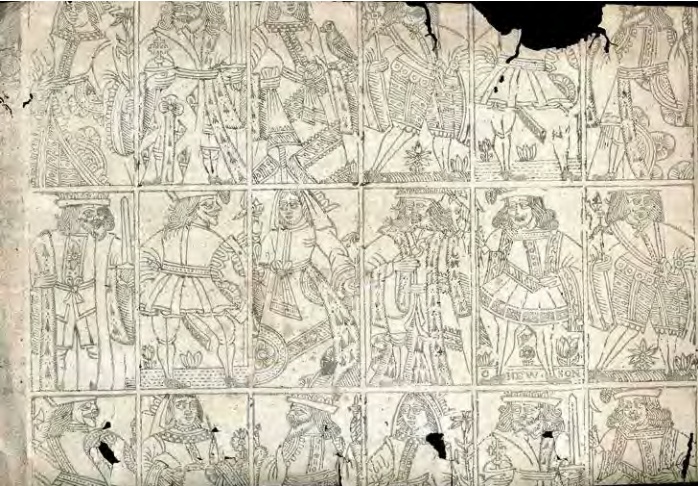
Insert Image: Early English uncut card sheet (c. 1680)
One of the largest and most important British collections resides in the British Museum. The maps and prints department houses English playing cards dating from around 1680 onward.
In the 1890s, Lady Charlotte Schreiber — one of the pioneers of playing card history — bequeathed her outstanding collection to the Museum. Additional examples can be found in other departments, such as the Museum’s Asian collection. Visits should be arranged in advance.
The Victoria & Albert Museum (London)
The V&A holds an excellent collection with:
- Unique handmade examples
- Old European packs
- Twenty or so Ganjifa sets from India (a traditional Indian card game, and the subject of future studies)
While a few are on permanent display, most need to be viewed by appointment in the library reading room.
The Worshipful Company of Makers of Playing Cards (London)
Insert Image: Historic English pack from WCMPC archives
This collection, begun in 1908, is housed at the London Metropolitan Archives in Clerkenwell. It includes:
- Early English cards
- Illustrated European packs
- Rare examples from the Far East
The first donation came from H. D. Phillips, a four-time Master of the Company. Visits should be arranged in advance by contacting the Clerk of the WCMPC.
Other UK Highlights
- Bodleian Library (Oxford): Holds the Johnson and Douce collections, both significant donations. Visitors must be members to access them.
- Fitzwilliam Museum (Cambridge): Early English and French cards, including examples found behind old wall coverings during late Victorian college refurbishments.
European Collections
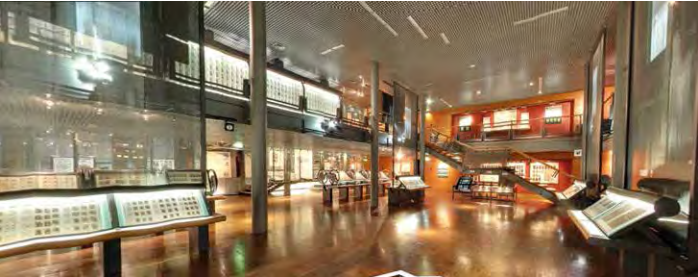
Fournier Museum (Vitoria, Spain)
Insert Image: Fournier palace display, Vitoria
Founded in 1916 by Félix Alfaro Fournier, grandson of the founder of the Fournier playing card company, the collection is now public and housed in a palace in northern Spain. The museum covers:
- Global playing cards
- Wooden printing blocks
- Printing machinery
French Playing Card Museum (Issy-les-Moulineaux, Paris)
Founded in the 1930s, the museum grew out of two large donated collections. Today it boasts an extensive archive and hosts themed exhibitions. For Londoners, it is an easy Eurostar trip away.
National Playing Card Museum (Turnhout, Belgium)
Located in the home city of Carta Mundi (the world’s largest card manufacturer), this museum focuses on the manufacture of cards. Visitors can explore the processes and even make their own prints.
Further Afield
Havana, Cuba
The Playing Card Museum in Havana is housed in the oldest building on Plaza Vieja Square. Its unique setting, together with Cuba’s vibrant atmosphere, makes it one of the more exotic destinations for card lovers.
Other Specialist Collections
- Peterhof, St Petersburg, Russia
- Fukuoka, Japan
Both offer specialist museums dedicated entirely to playing cards, reflecting their global cultural significance.
Conclusion
From the quiet reading rooms of Oxford to the lively plazas of Havana, playing cards tell stories not only of games played but of art, design, and culture through the centuries. For the dedicated enthusiast, visiting these collections is more than a diversion — it is a journey into history.
✦ The author is a Court Assistant in the Worshipful Company of Makers of Playing Cards – see makersofplayingcards.co.uk. Many more sets of cards are illustrated on the author’s website plainbacks.com.